Water is precious. Those who economise with it can help to reduce the impact on the environment – as well as on their wallet. Saving water is easy. Even making small changes to our everyday habits can help. Find out how you can use modern technologies to save water automatically here. And learn about various other methods to prevent wastage of this valuable resource.
A pleasantly warm bath is good for the soul. However, this luxury consumes 100 to 200 litres of water, depending on the size of the bath. Which is quite a lot, especially since every single litre needs to be heated up. Showering is considerably more economical: this consumes just 40 to 60 litres on average. Maybe you could reserve your bath for those special moments, and get yourself a feel-good shower instead? If you would like to go one step further, opt for environmentally friendly models when purchasing hand and overhead showers.
With an EcoSmart shower from hansgrohe, you can save up to 60% water compared with a conventional shower head. The inner workings of the shower make all the difference: the EcoSmart technology limits the water flow automatically to around 6 to 9 litres per minute. Since this means that less water needs to be heated, EcoSmart helps you save energy too. And when you use less fresh water, you also pay less sewage fees. The most environmentally friendly shower available at hansgrohe is the Crometta 85 Green hand shower. This consumes barely 6 litres of water per minute (at 3 bar). As it happens, an EcoSmart shower with multiple jet types will thoroughly pamper you, despite the lower flow rate.
If you believe less shower water also means less showering comfort, you’re in for an exhilarating surprise with hansgrohe AirPower. The technology is as simple as it is ingenious: Less water + more air = the ultimate showering experience. To achieve this, plenty of air is added to the water in the shower head. This makes the droplets plumper, lighter and softer. Enjoy feeling the luscious pearls of AirPower water all over your skin when showering. With an AirPower shower, there’s hardly any splashing. Your shower jet offers you more, using less water, and makes effective use of the effervescent power of the air. All hansgrohe showers with this function therefore offer you a beautifully intense, environmentally friendly shower.
If you don’t have any solar collectors on the roof and don’t use any geothermal energy, then you invariably consume fossil fuels for your hot water provision. If you can manage to save hot water on a daily basis, you will reduce climate-damaging carbon dioxide emissions and therefore your carbon footprint too. Plus, you will also reduce your energy bill. Would you like to eliminate your wastage of hot water when you wash your hands every day? Good. hansgrohe has also invented an environmentally friendly technology for this purpose.
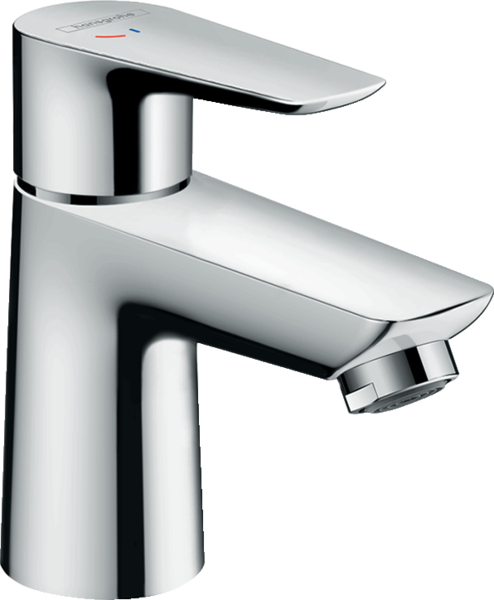
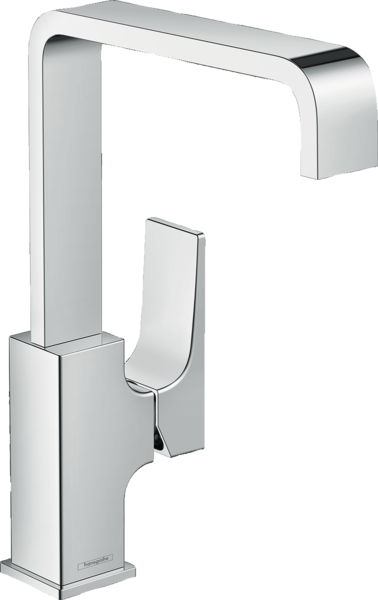
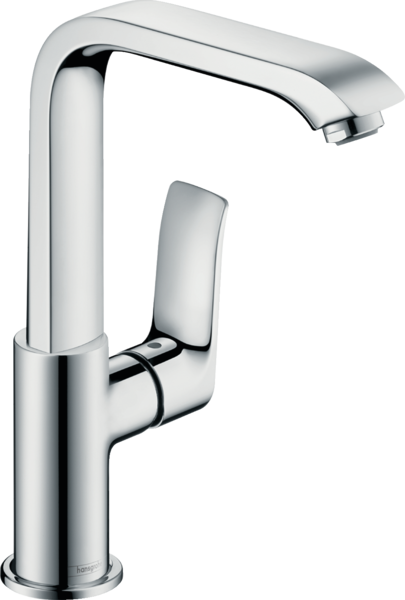
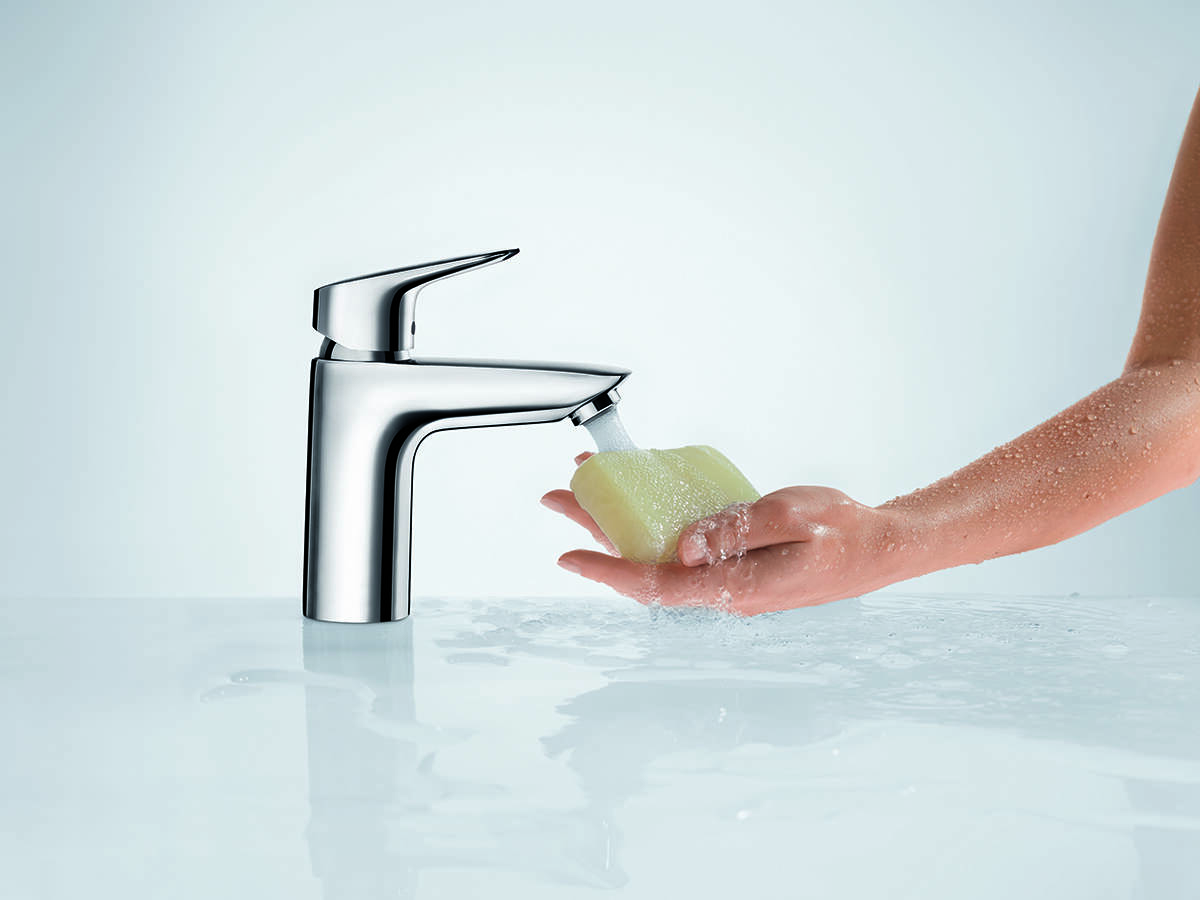
A basin tap with hansgrohe CoolStart technology automatically reduces your energy consumption day in, day out. After all, with these taps hot water only flows when you really need it. How does that work? When the single lever mixer handle is set to the middle position, only cold water can flow. Hot water will only be sent through the pipelines when you deliberately turn the lever. CoolStart marks an environmentally friendly trend in the world of bathrooms and saves you money at the same time.
All hansgrohe taps are fitted with EcoSmart technology as standard. Which means that they consume up to 60% less water than conventional taps. A precision elastomer reacts automatically to changes in the water pressure and changes its shape, ensuring that the water flow is constantly limited to only around 5 litres per minute. hansgrohe taps can therefore help you save a lot of water (and sewage fees), without you having to do anything. Also, for every litre that does not need to be heated, there are no energy costs.
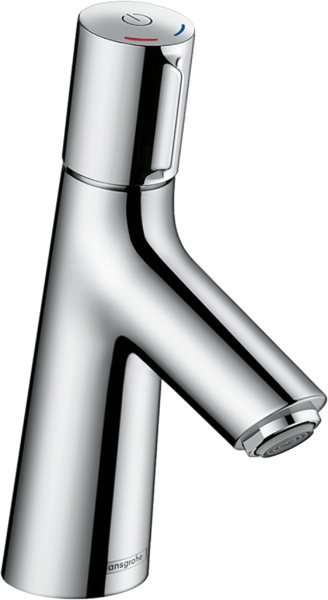
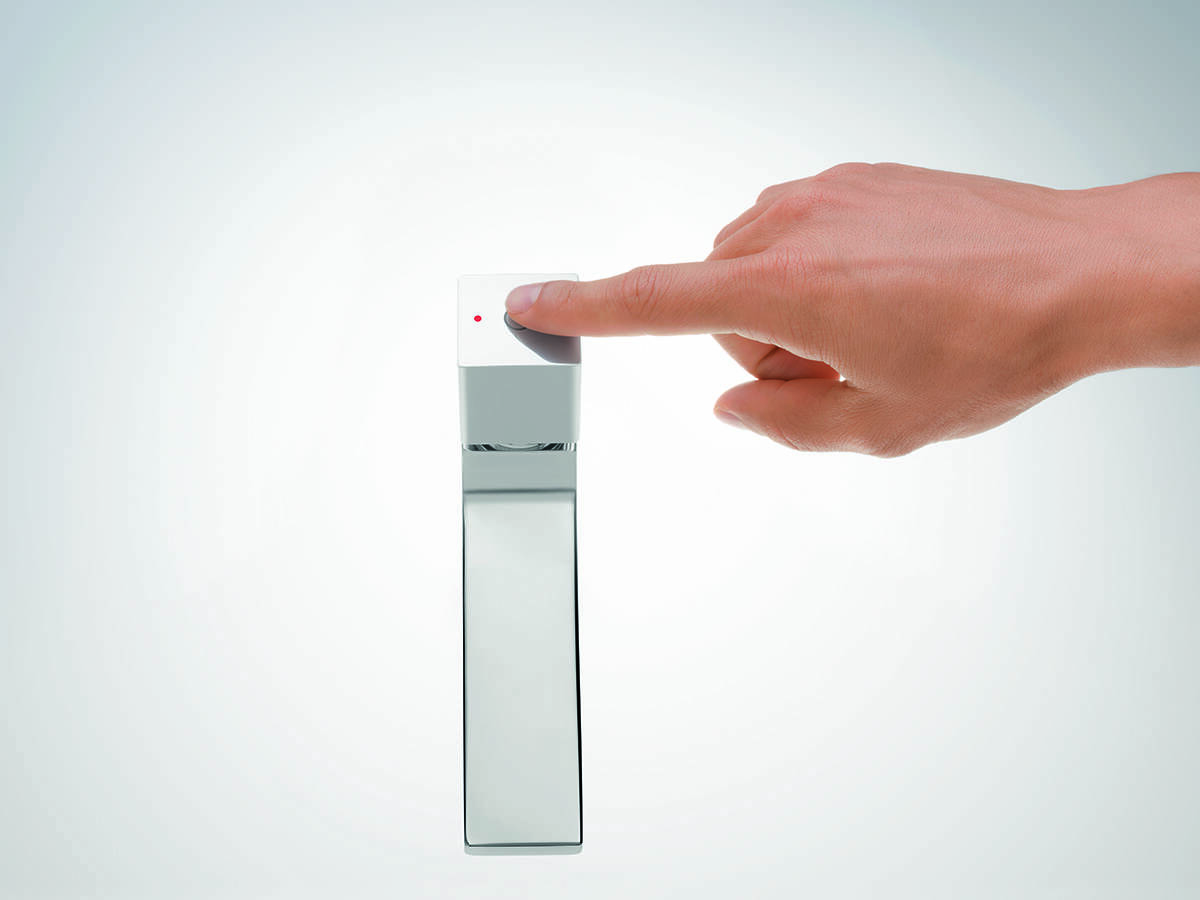
Modern operating technologies easily conserve raw materialsA convenient single lever tap or a Select tap enables you to decide for yourself exactly when the water should be turned on and off in your bathroom and kitchen. Sophisticated hansgrohe operating technologies help you to turn water on and off quickly. Investing in a new, frequently used product such as a tap will pay for itself very quickly. And the environment will certainly thank you for your efforts. Water-saving tip 5: Single lever mixer instead of two handle mixerWhile you wait, turning the two handles, for the water to reach the right temperature and the right volume, a lot of it flows unused down the river. Aside from the fact that modern single lever taps add considerably more convenience to your home, the required water volume and temperature can be set much more quickly on these than on two-handle taps. Save time and enjoy added convenience with single lever taps. And pretty soon, you’ll save more money too. Water-saving tip 6: Turn water off at the touch of a button – with SelectThe classic operating lever on the wash basin and sink disappears completely with hansgrohe Select technology. On these leverless taps, the water can be conveniently turned on and off at the touch of a button. This encourages you to save water on a daily basis – and makes the products fun to use, at the touch of a button. Not only are wash basin and sink unit taps with the Select function economical, they are also minimalist in design. They make your wash basin and your sink look beautifully ultra-modern. |
In our bathrooms and kitchens, precious water often disappears down the drain unused – solely because old-fashioned taps or outdated shower systems allow it to drain away. Let’s identify the biggest guzzlers of water and squanderers of money. So that we can consciously reduce water consumption on a daily basis.
Is your tap dripping? This is more expensive than you might think over the long term. Get dripping mixers sealed as soon as possible. Sometimes simply replacing a seal is enough. On the other hand, if your tap is already in a state of decay, it should be retired once and for all. Please replace the old fitting with a modern tap with a water-saving function.
The same applies to taps as it does to shower heads, washing machines or dishwashers: Very old models usually consume significantly more water than new ones, and really need to be taken to the recycling centre. When purchasing a new product, please pay attention to its energy efficiency class. Which appliances save large quantities of water and energy? Make sure that you opt for environmentally friendly models in classes A to A+++. Talking of efficiency: never run washing machines and dishwashers half empty. Only use the machine when it is fully loaded. More often than not, the pre-rinse or prewash program is not necessary. For slightly soiled laundry/dishes, lots of machines have an environmentally friendly short wash cycle.