
The History of Hansgrohe – Bathroom Innovations in the Black Forest
The Hansgrohe company history began in the year 1901: Back then, innovator Hans Grohe founded a craft business for metal-spun goods in the small Black Forest town of Schiltach. One of his specialties: Tin shower for the home bathroom, which was coming into style. In doing so, he laid the cornerstone for a success story that continues today.
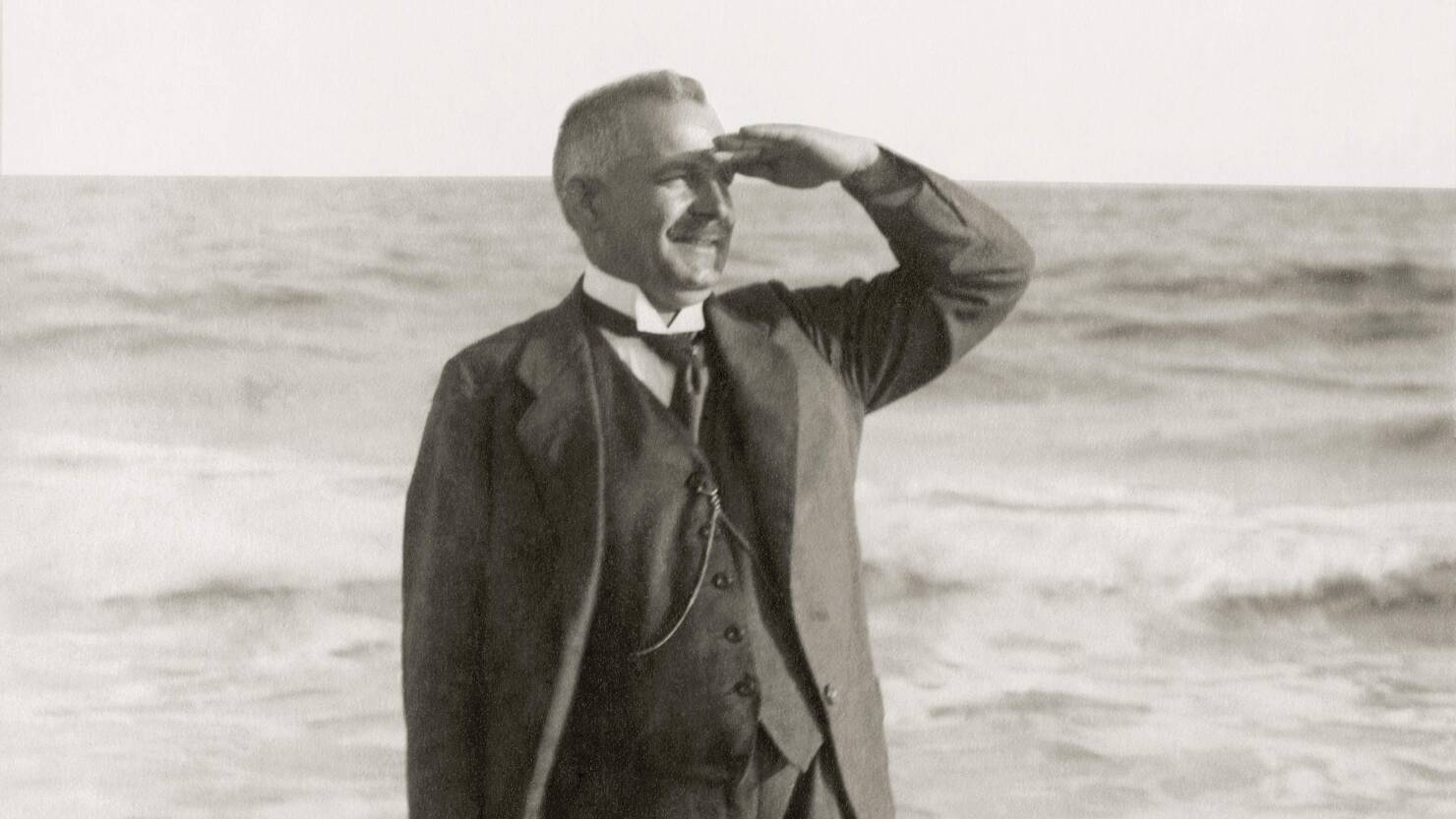
How it all began: The origins of the Hansgrohe company in Schiltach
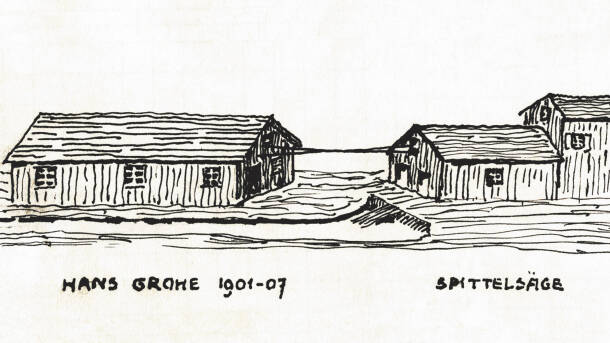
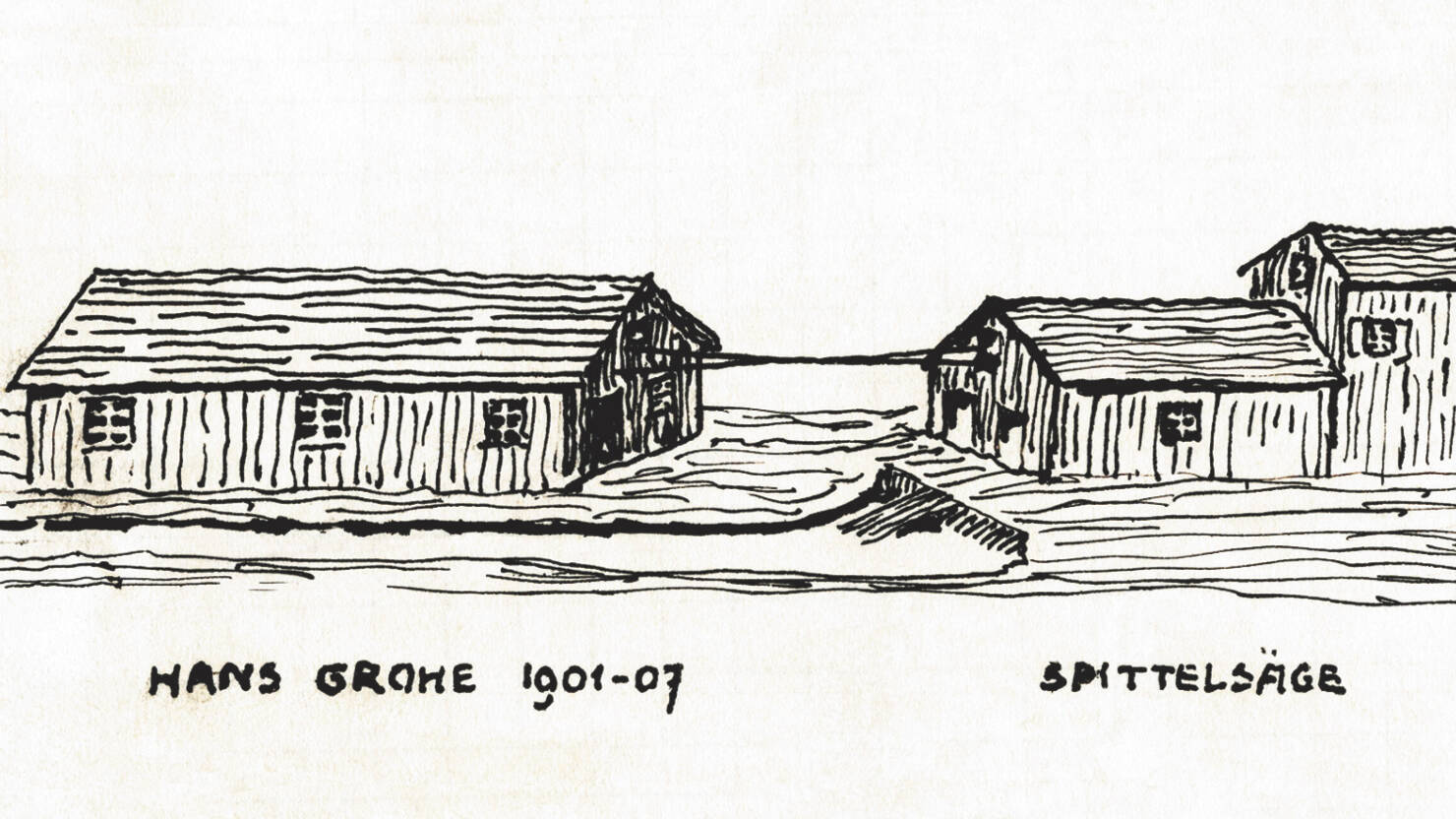
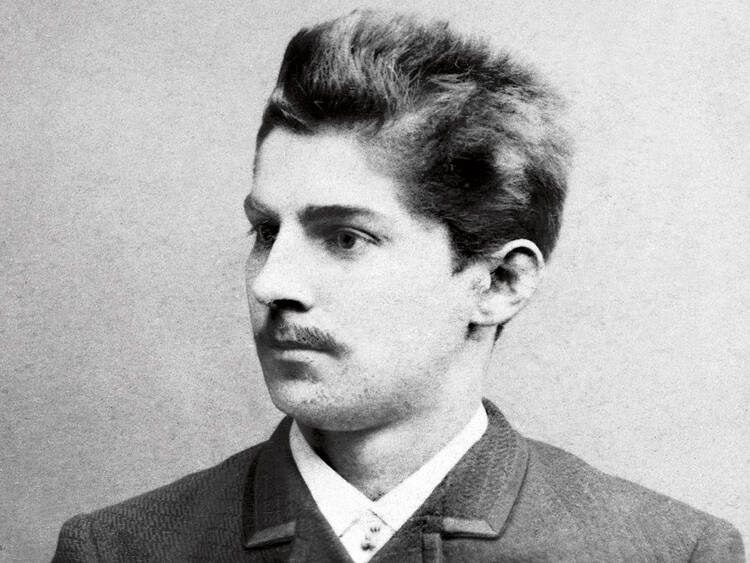
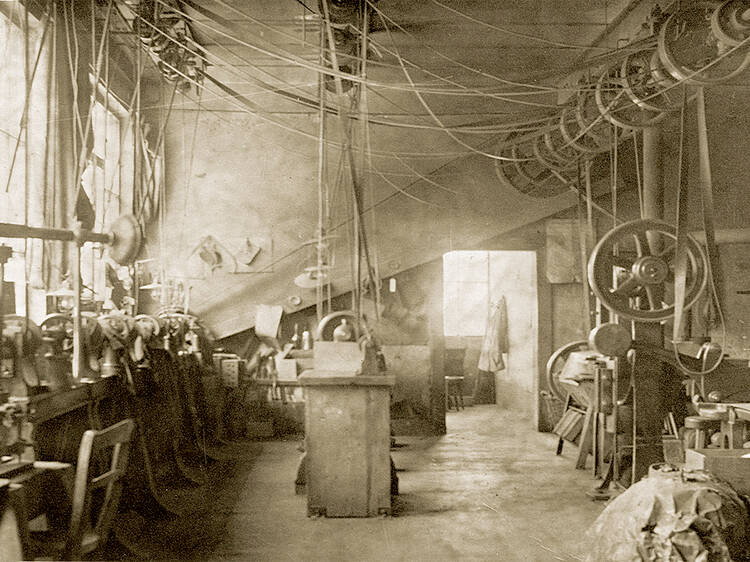
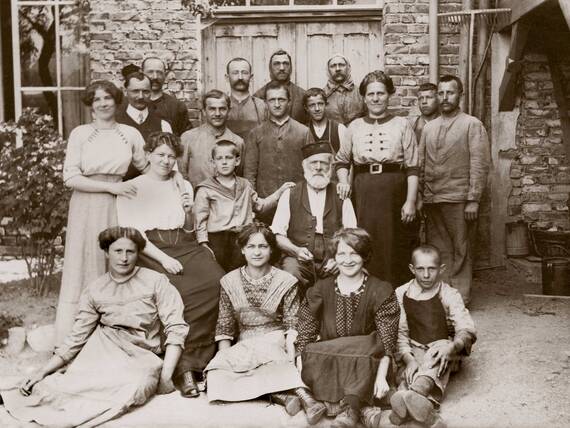
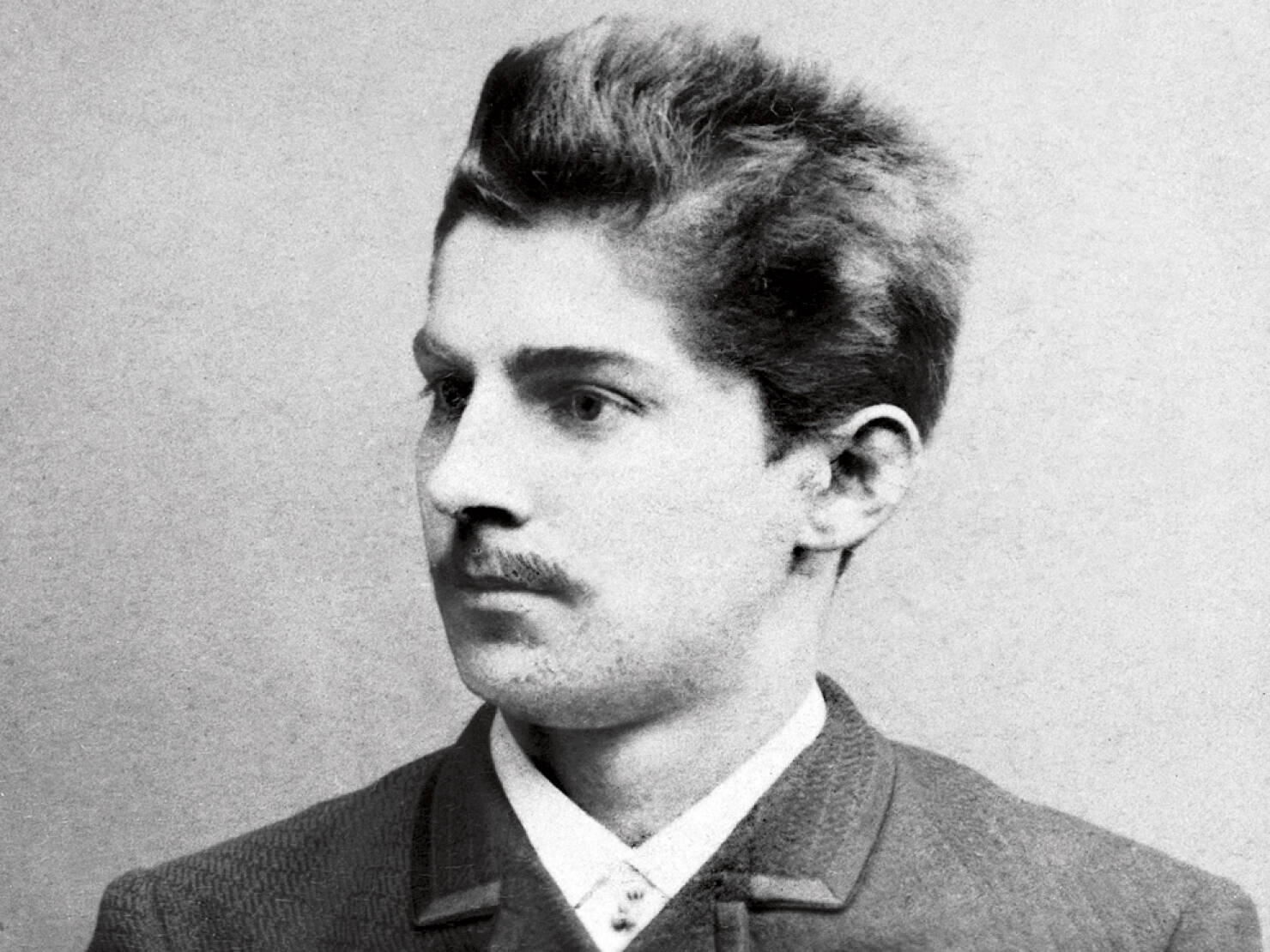
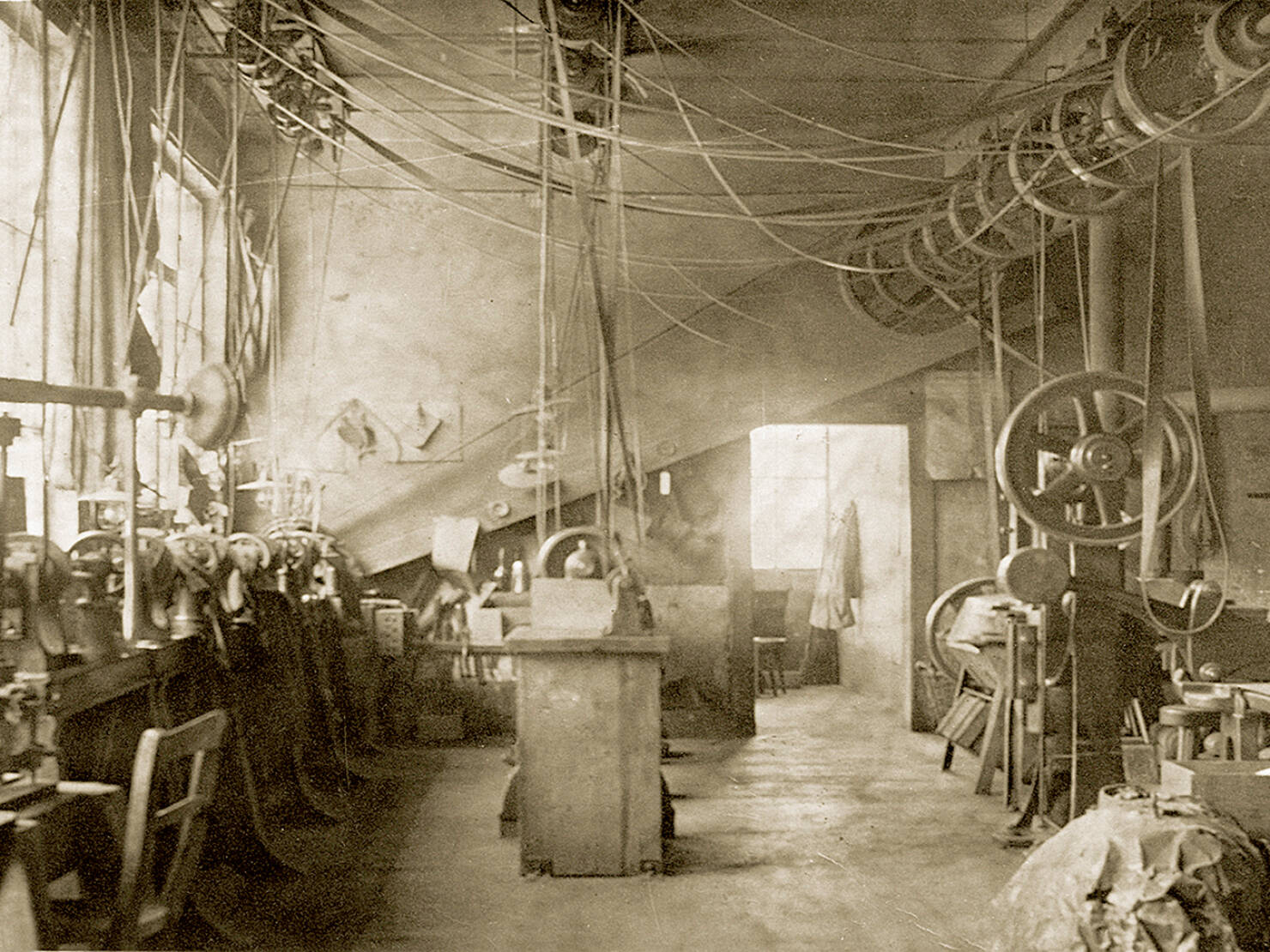
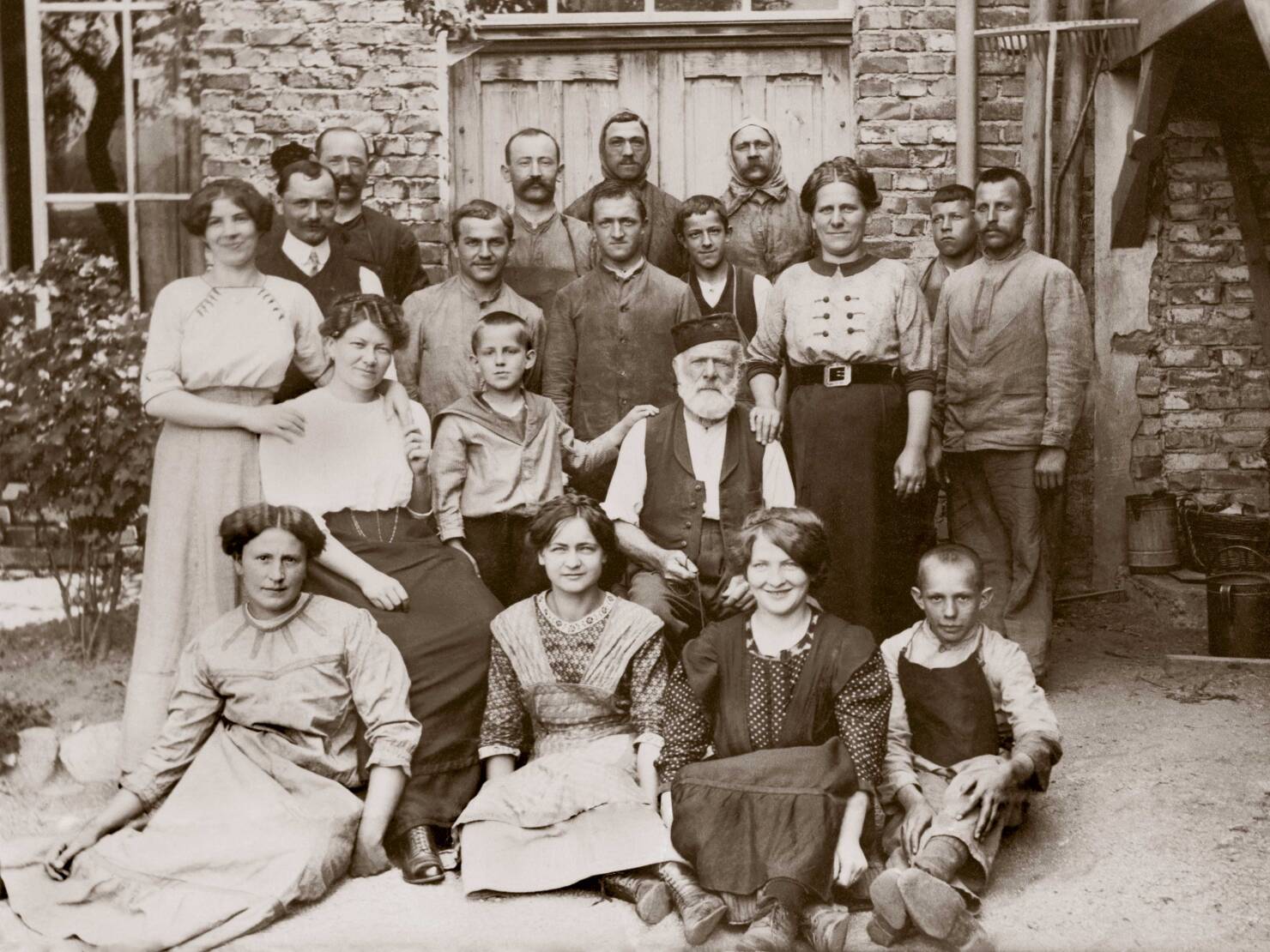
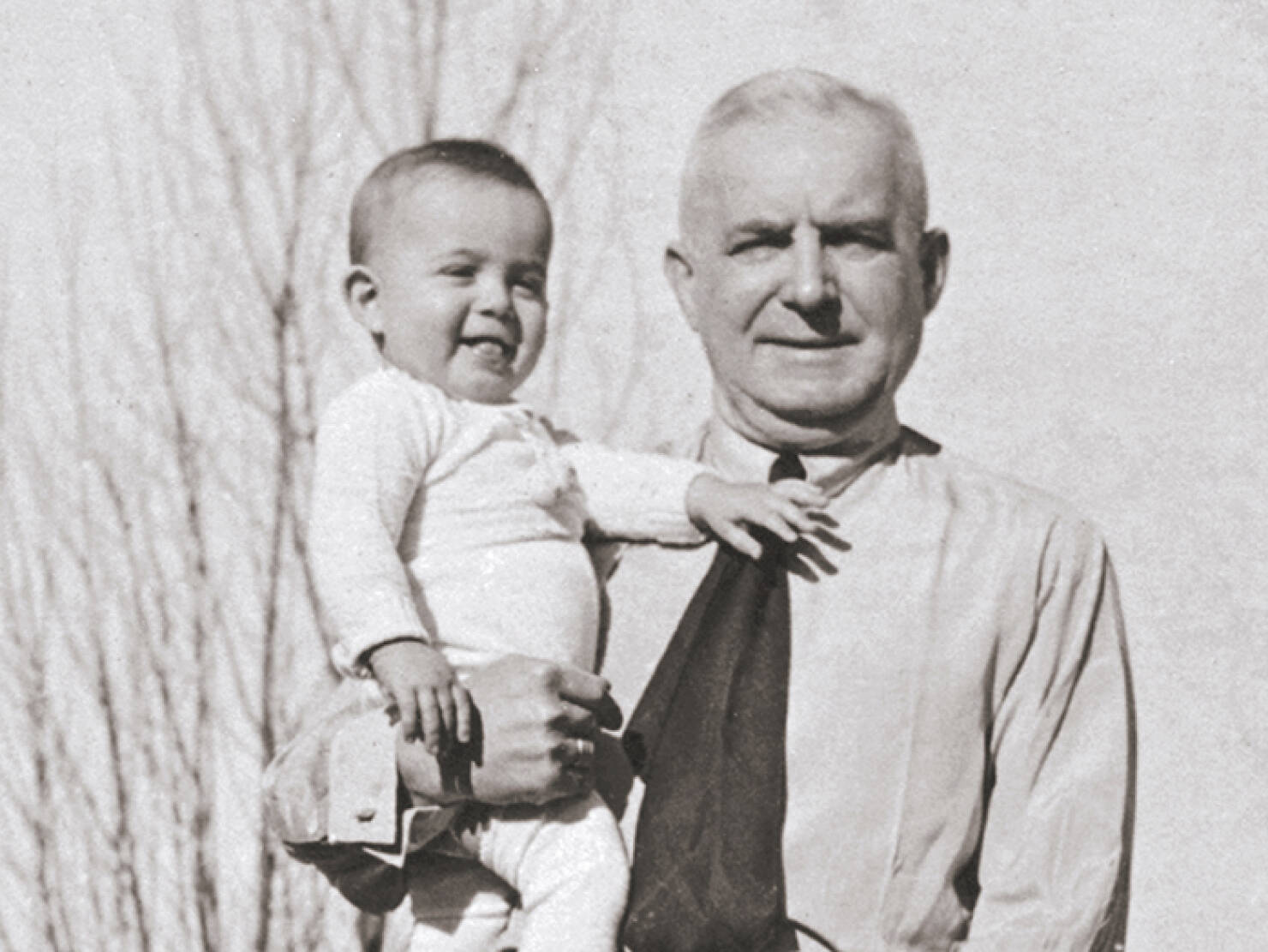
On June 15, 1901, Hans Grohe (1871-1955) founded a craft business for metal-spun goods in the Schiltach, in the Kinzig valley – venturing to make a new start. The trained cloth-maker from Luckenwalde, near Berlin, had moved to the small town in the Black Forest two years before. He then turned his back on weaving and discovered the production of metal goods like brass pans, watch parts, and stovepipe rosettes. From the beginning, tin showers were part of the product range from Hans Grohe’s small, three-man operation. The innovator made the right choice: The private household bathroom came into fashion at the turn of the 20th century. Back then, having one’s own bathroom was still a pure luxury for the population at large in Germany. Hans Grohe recognized the shower as an affordable alternative to the lavish process of bathing in a bath tub, and soon began specializing entirely in metal goods for the sanitation section. In the following decades, Hans Grohe was passionately dedicated to the further development of his showers. With his ideas, he was a crucial influence on Hansgrohe's company history and the future shower culture.
Defining developments in shower culture
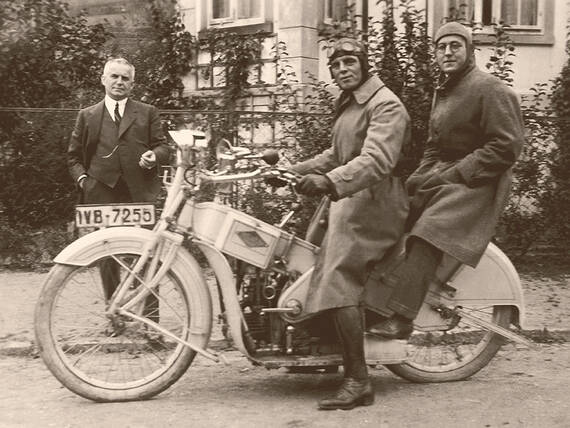
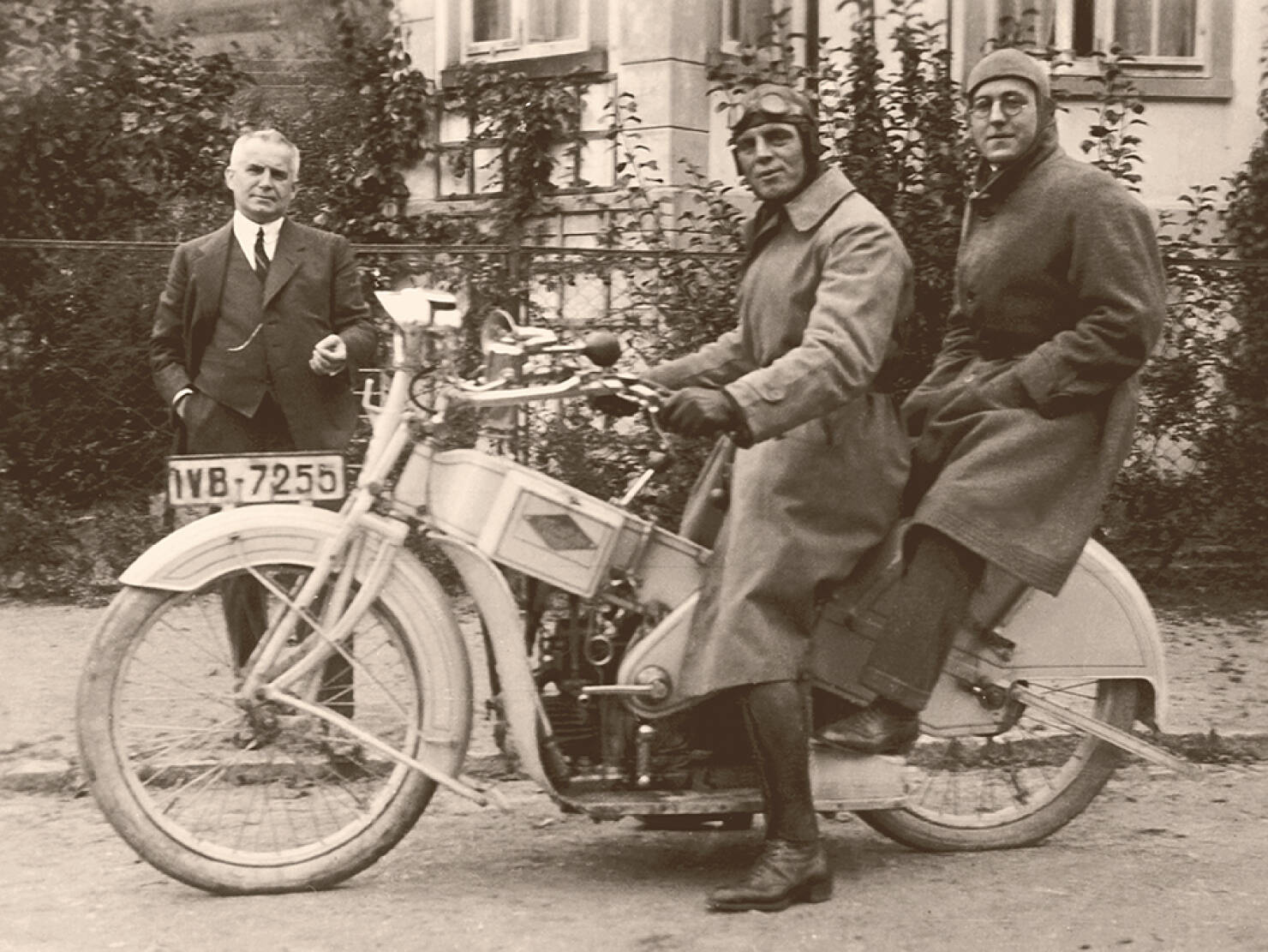
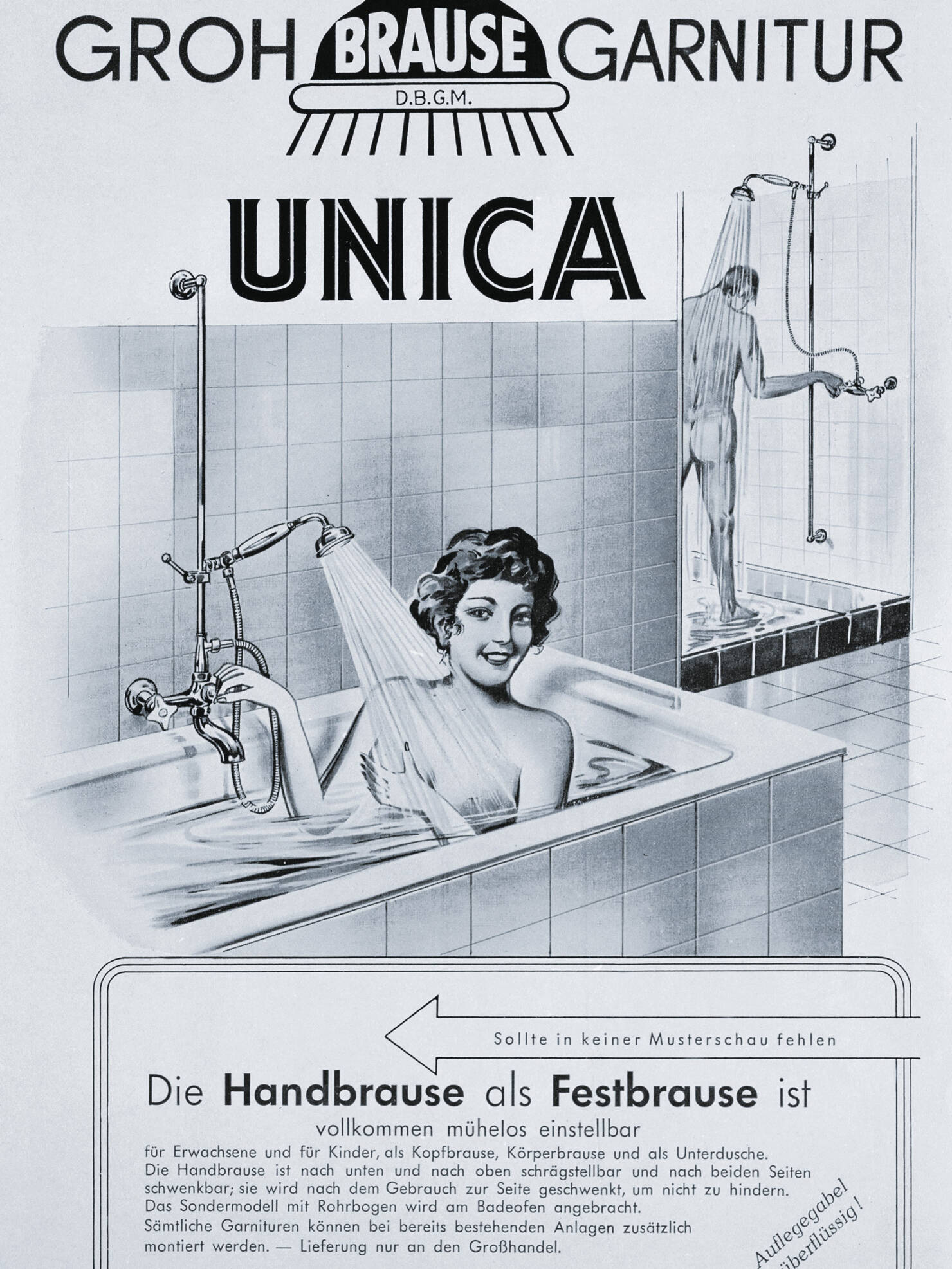
Hans Grohe quickly developed into a shower specialist and pioneer in the German sanitation industry. Starting in 1928, his hand shower evolved into a convenient alternative to the then-customary overhead shower. His shapes and ideas remained influential for moder shower technology for several decades. Even at age 82, the company founder made a pioneering invention: the wallbar. This enabled the hand shower to be attached at the desired height for the first time. Today, it’s a standard in bathrooms around the globe – in 1953, it was a stroke of sanitation genius. In 1955, eldest son Hans Grohe Junior (1895-1960) took over leadership of the firm. The company remained in family hands, even after its founder's death.
The tradition of innovation continues


In 1968, Hans Grohe’s youngest son Klaus Grohe (*1937) also got involved – and brought new, modern ideas with him. For the first time, he made environmental protection and sustainability an major topic for the sanitation industry. He also promoted the development of energy- and water-saving products and paid close attention to environmentally and resource-efficient production. In 1977, Klaus Grohe assumed sole management of the company and introduced the brand name hansgrohe. For 33 years, he lead what had since become a globally successful company and served on the Hansgrohe supervisory board from 2008 to 2015. Today, he is its honorary chair.
Two of Klaus Grohe’s sons continue the family tradition in the operational business. Richard Grohe (*1965) was Deputy Chairman of the Executive Board from 2008 to 2016. He expanded the Hansgrohe brand into a world-famous, premium label with numerous innovations. His brother Philippe Grohe (*1967) was responsibility for the AXOR designer brand from 2001 to 2016. He focused on collaborations with several renowned designers like Philippe Starck and Patricia Urquiola, and helped the brand for exclusive Hansgrohe bathroom collections become an international breakout hit. Both were crucial contributions to Hansgrohe’s successful company history in the new millennium.
Into the future with a passion for water
Klaus Grohe’s son Richard has been a member of the Hansgrohe Group supervisory board since May 2018. Today, he and the other supervisory board members watch over the executive board's work, and as a representative of the founding family, he continues to watch over the future of the company. What Hans Grohe began in the year 1901 with a small, three-man operation in the Kinzig valley is now a company with 33 subsidiaries, 21 sales offices, and around 5,600 employees all over the world. About 60 percent of these employees work in Germany, many of them still in the company headquarters in Schiltach. Here, where it all began, the Hansgrohe company history continues to be written with passion.
Company chronicle for download |